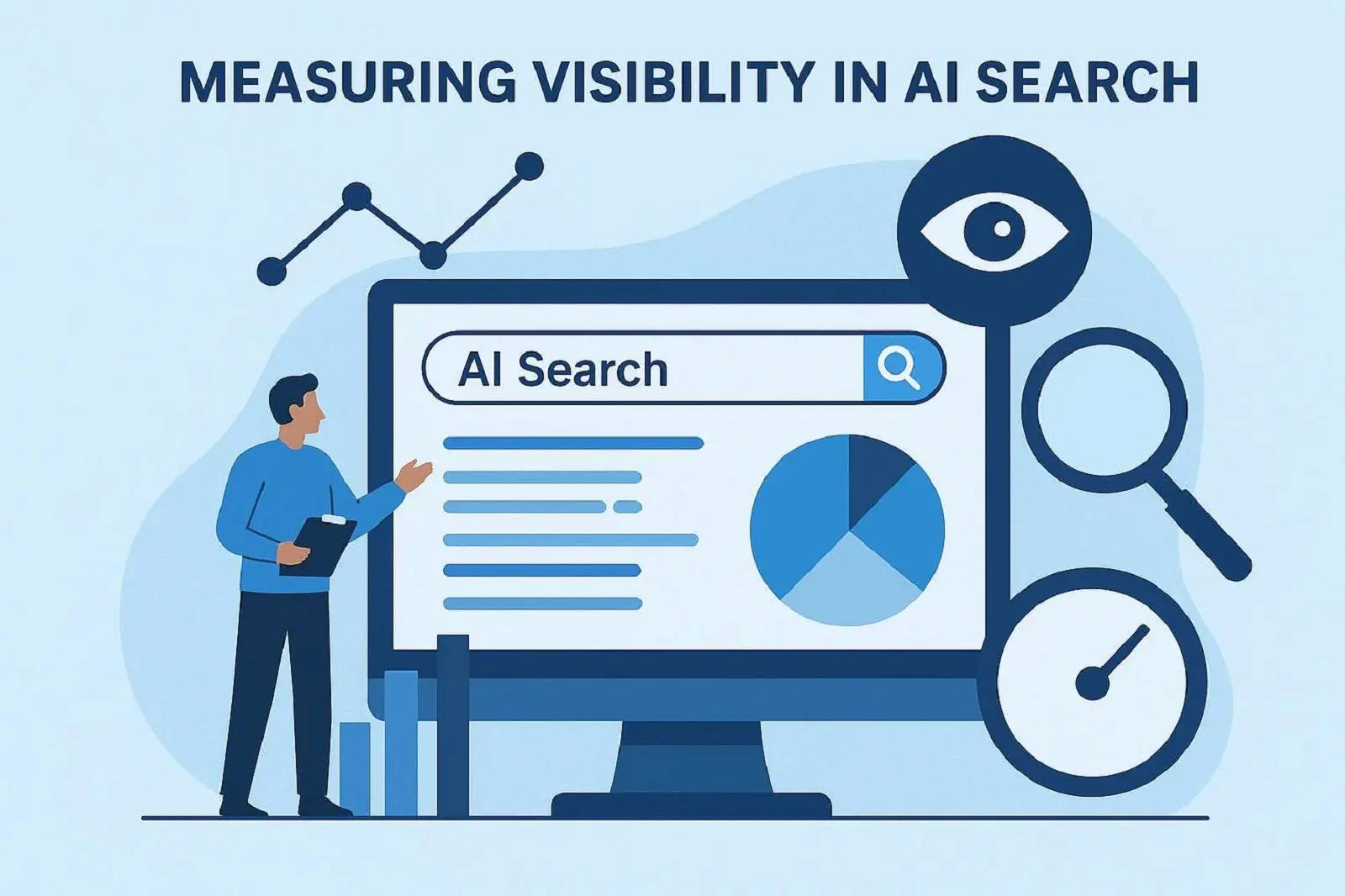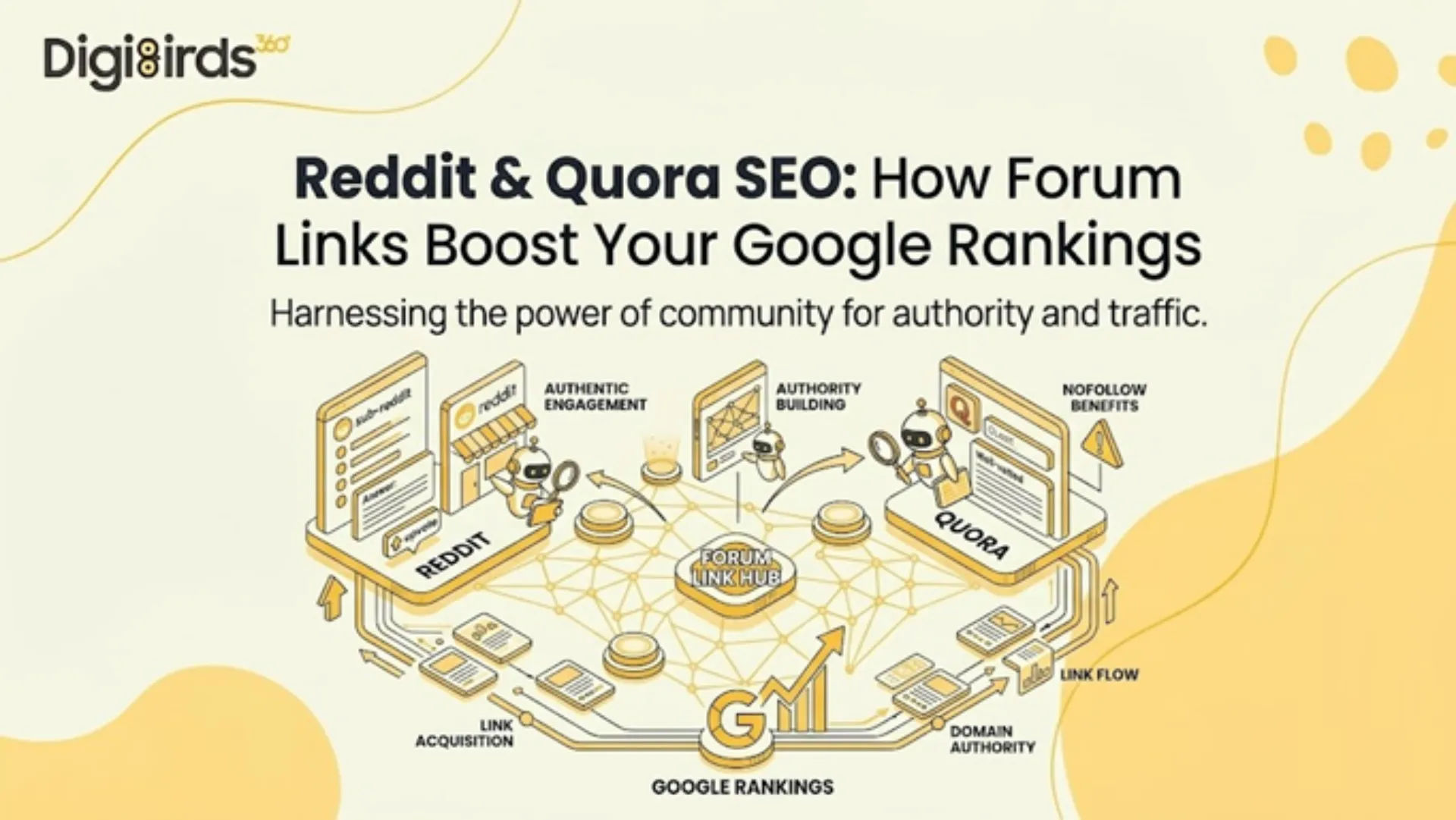


What is AI Search Optimisation?
AI Search Optimisation: As search experiences rapidly shift from traditional SERPs to conversational, answer-driven ecosystems, AI search optimisation has become an essential discipline for brands seeking sustainable visibility. With platforms such as Google AI Overviews, ChatGPT Search, Perplexity, Bing Generative Search, and Copilot transforming how information is discovered, businesses must now optimise for AI search rather than focusing only on ranking positions. This evolution, often termed AI-Driven SEO Optimisation, requires content that is structured, authoritative, and semantically clear.
The future of SEO with AI is defined by how effectively your content can be parsed, understood, and selected as a reliable source within AI-generated answers. Below are five key principles that help you strengthen visibility and understand how to rank in AI search results.
AI Search Optimisation refers to the practice of improving a website’s visibility within AI-generated search experiences across platforms like Google AI Overviews, ChatGPT Search, Perplexity, and Bing’s Generative Search. Unlike traditional SEO, it focuses on ensuring content is selected, cited, and referenced in AI-driven summaries and conversational answers. It requires structured, authoritative, and semantically rich content that AI systems can interpret confidently. In essence, it is the foundation for strengthening brand presence in the evolving era of generative search.
Boost your local visibility with DigiBirds360. Get started with our Specialised SEO Services today.
What are the 5 Key Principles for Higher Visibility in AI Search Optimisation?
Higher visibility in AI Search Optimisation depends on implementing practices that make content machine-readable, contextually clear, and citation-worthy. The five core principles include structured content, semantic clarity, AI crawler accessibility, snippet-level optimisation, and maintaining recency and authority. These principles ensure AI systems can parse information accurately and rank it within generated answers. Adopting them consistently helps brands appear more frequently in AI search results and conversational outputs.
1. Prioritise Structured, Machine-Readable Content
The foundation of effective AI Search Optimisation is clarity. AI assistants no longer read pages linearly; they break content into modular pieces and evaluate each for accuracy, intent, and authority. Therefore, your content must be explicitly structured so AI systems can extract value without ambiguity.
Key practices:
- Use descriptive titles, aligned H1s, and readable meta descriptions that define purpose clearly.
- Mark each concept with logical H2s and H3s, indicating topic boundaries for better parsing.
- Format information using lists, tables, comparison blocks, and Q&A structures to create self-contained “snippets.”
- Ensure every paragraph communicates a complete, standalone idea that can be cited independently.
For modern AI-Driven SEO Optimisation, clarity is not optional. It is the mechanism through which AI determines relevance and usability.
2. Strengthen Semantic Depth and Contextual Meaning
AI systems rely heavily on semantic understanding rather than keyword repetition. To optimise for AI search, content must reflect intent, provide contextual clarity, and demonstrate depth that differentiates expert insights from generic text.
Proven strategies:
- Write with intent-based phrasing that mirrors how users ask questions conversationally.
- Use synonyms and conceptually connected terms to strengthen meaning (e.g., “AI Overviews,” “conversational search,” “LLM citations”).
- Provide measurable facts, examples, and statistics rather than vague claims.
- Contextualise statements (e.g., “2025 research shows…”) to signal real-world relevance.
Semantic richness directly influences AI optimisation for websites, helping your pages become the preferred citation source for generative models.
3. Improve Accessibility for AI Crawlers and Generative Systems
AI can only reference what it can access. Ensuring full crawlability is core to Generative Engine Optimisation. Many sites unintentionally block LLM crawlers, hindering their visibility within AI-generated outcomes.
Essential steps include:
- Review robots.txt to confirm that AI crawlers (such as GPTBot, CCBot, and Claude-Web) are allowed.
- Avoid content locked behind JavaScript rendering, interactive tabs, or paywalls.
- Use clean canonical tags and prevent duplication errors that confuse indexing.
- Maintain fast page speed and reliable server performance to ensure uninterrupted accessibility.
This technical alignment ensures that AI systems can parse, understand, and repurpose your content whenever generating citations.
Discover how DigiBirds 360 empowers brands with powerful SEO Services. Learn more about who we are.
4. Optimise for Snippet-Level Answer Extraction
AI platforms select small, precise fragments of content to construct responses. Therefore, the ability to create “snippable” segments is critical for how to rank in AI search results.
Optimise for snippet extraction by:
- Beginning every major section with a direct, concise answer.
- Writing Q&A blocks in clean, factual language that AI can lift verbatim.
- Using lists to summarise core takeaways in short, high-clarity bullets.
- Ensuring sentences are self-contained so they remain meaningful when removed from context.
In the world of AI Search Optimisation, visibility is no longer about ranking at the top of a list. It is about being the line of text that AI selects.
5. Maintain Recency, Authority, and Continuous Updating
AI systems increasingly prioritise recent, authoritative, and verified information. Outdated or generic content tends to be deprioritised, especially as new models lean heavily toward recency-based ranking signals.
To strengthen long-term AI Search Optimisation:
- Refresh statistics and examples regularly to maintain credibility.
- Add expert quotes, author credentials, and experience-led commentary to reinforce authority.
- Update older articles with new developments, emerging tools, and current data trends.
- Compare your presence on platforms like ChatGPT, Perplexity, and Copilot to understand visibility gaps.
The future of SEO with AI rewards freshness and expertise. Brands that consistently publish updated, authoritative content will outperform competitors relying solely on traditional SEO practices.
Why AI Search Optimisation Matters Now More Than Ever
AI-generated search experiences are expanding rapidly, influencing billions of monthly queries across multiple platforms. Users now seek complete answers rather than long lists of links, and AI models respond by synthesising data from trusted sources. This shift creates a new competitive environment where website visibility depends on AI optimisation AIO, not just classical ranking factors.
In this ecosystem:
- Multiple sources are blended into one answer.
- Authoritative citations enhance brand recognition.
- Structured and semantically clear content becomes a competitive advantage.
- Even smaller websites can outperform established brands if the content is more AI-friendly.
By embracing AI Search Optimisation, businesses position themselves for higher visibility, stronger authority, and more frequent inclusion in generative search results.
Have Questions? Contact DigiBirds360 and Speak to a Digital Growth Specialist Today!
Conclusion
AI technologies are reshaping digital discovery, making AI Search Optimisation essential for brands seeking sustained visibility and authority. By focusing on structured formatting, semantic clarity, data-backed insights, snippable content, and consistent updates, organisations can successfully adapt to new generative search standards.
Integrating AI-Driven SEO Optimisation, Generative Engine Optimisation, and AI optimisation for websites positions your content to remain competitive as AI continues to redefine the search landscape. The transition from traditional ranking-based visibility to citation-based prominence represents the next major evolution that organisations must embrace to be chosen, referenced, and trusted in AI-powered search environments.