
Google has rolled out two AI-powered search features that people keep mixing up: AI Overviews and AI Mode. They both use AI, both show up on Google, and both can mention your brand - or skip it entirely. But they work in very different ways. So if you're trying to figure out Google AI Mode vs AI Overviews and which one matters for your content, this guide breaks it down simply.
What Is the Difference Between Google AI Mode and AI Overviews?
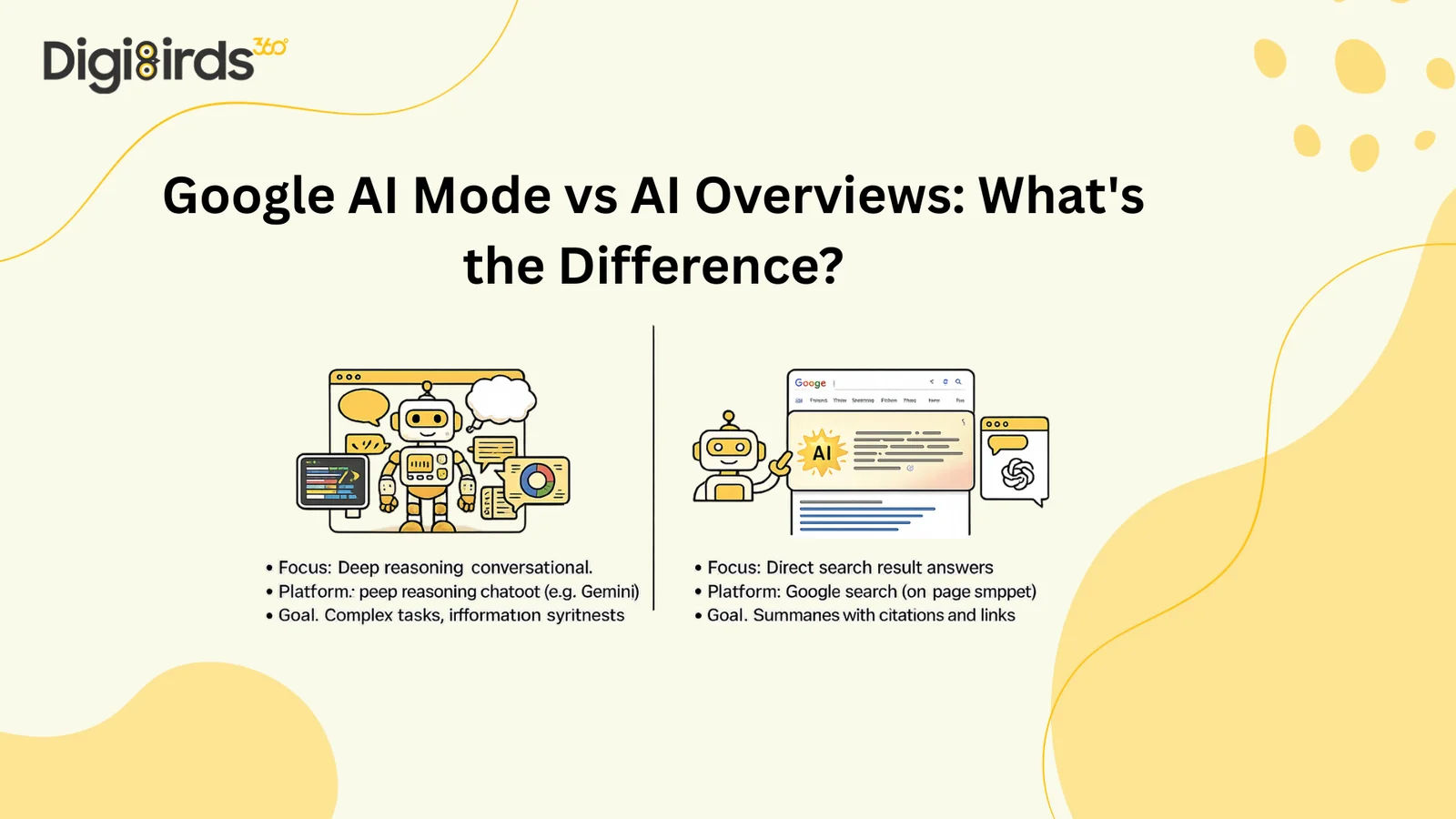
AI Overviews are the automatic AI summary boxes that appear at the top of regular search results, while AI Mode is a separate, chat-based search experience you actively open and talk to. In short, AI Overviews change what you see on the normal results page, and AI Mode changes how you search altogether. One is pushed to you automatically; the other is something you choose to use when you want a deeper answer.
That's the quick version. Now let's look at each one a little more closely.
What Are Google AI Overviews?
Google AI Overviews are AI-generated summary boxes that sit above the traditional blue links on a normal search results page. AI Overviews launched broadly in the United States in May 2024. They scan the top-ranking results for a query, pull out the key points, and give you a short answer right at the top-so you get the main takeaway without necessarily clicking anything.
You don't have to do anything special to trigger them. When you type a query that Google thinks suits a summary, the Overview just appears. They've become huge, too-by mid-2026 the feature reportedly crossed 2.5 billion monthly users, reaching well over 200 countries and 40+ languages. Responses are usually short, just a paragraph or two with citation links.
What Is Google AI Mode?
Google AI Mode is a standalone, conversational search experience powered by Gemini that gives detailed answers and lets you ask follow-up questions, much like ChatGPT. Instead of a summary sitting above your links, it's a dedicated chat tab you open on purpose.
The big technical difference is how it works under the hood. AI Mode uses a fan-out technique that issues multiple queries simultaneously (up to 16 searches) and doesn't include organic search results. So it runs several related searches behind the scenes, then stitches everything into one deeper answer. It's built for complex, multi-step questions where a single summary isn't enough, and it supports follow-ups, voice, and other input types.
Why Did Google Launch Both?
Google launched AI Overviews to keep users on the results page with quick answers, and AI Mode to compete directly with chat-based tools like ChatGPT for deeper, conversational searches. AI Overview's release in 2024 was Google's radical effort to retain users' mindshare and attention when ChatGPT began to dominate the AI search space.
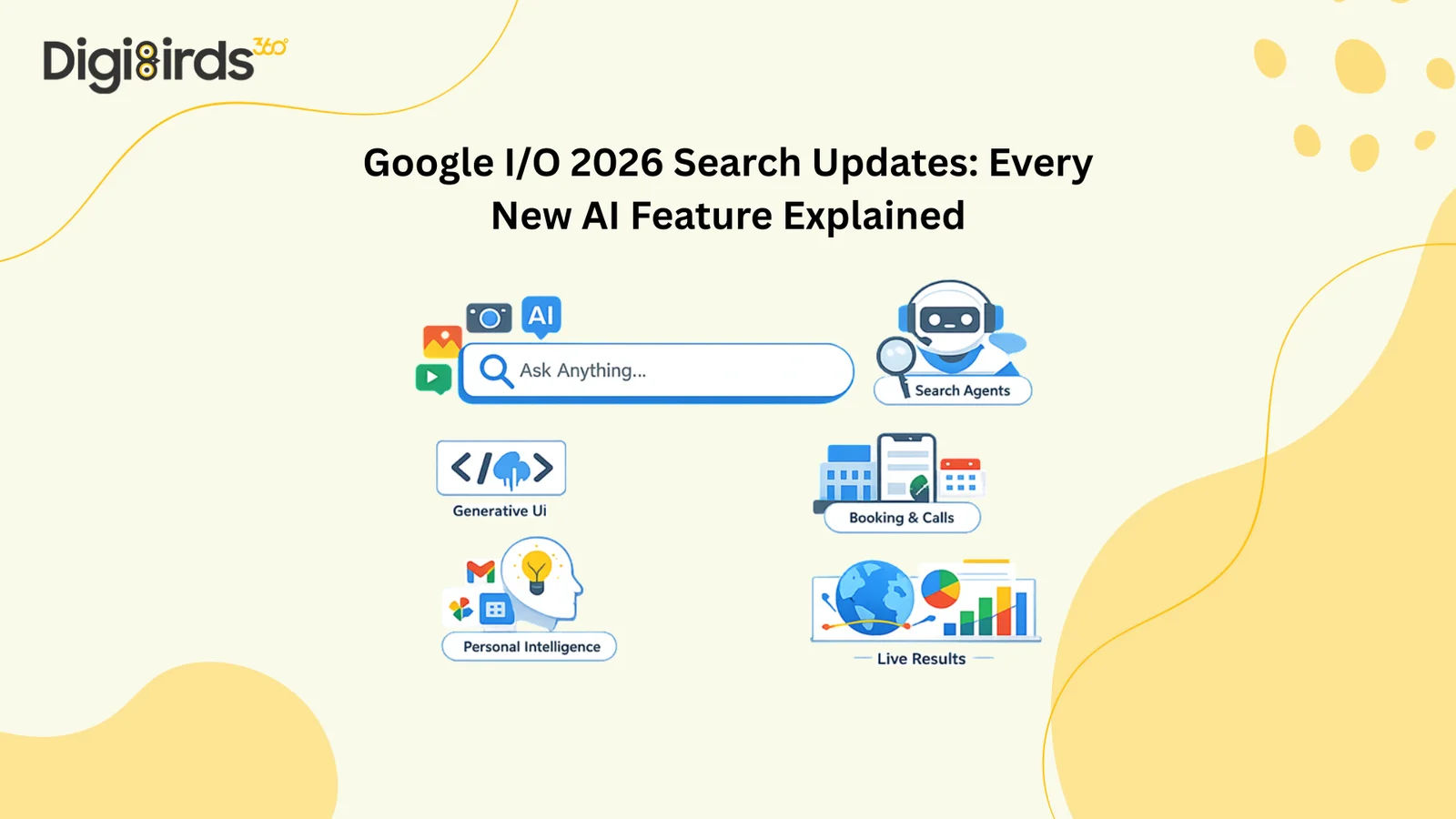
The two simply serve different moments. Sometimes you want a fast answer without leaving your search; that's where Overviews fit. Other times you have a messy, layered question and want to go back and forth; that's where AI Mode comes in. Worth noting: in May 2026 Google announced it's working to merge the two into one seamless search experience, so the line between them is starting to blur-but the way you optimize for them still matters.
Google AI Mode vs AI Overviews: Quick Comparison Table
| Feature | AI Overviews | AI Mode |
|---|---|---|
| What it is | AI summary box on the results page | Standalone conversational search tab |
| How it starts | Appears automatically ("push") | You open and use it on purpose ("pull") |
| Answer style | Short, 1-2 paragraphs | Detailed, in-depth, multi-part |
| Follow-up questions | No | Yes |
| Blue links shown | Yes, below the summary | No traditional organic links |
| Best for | Quick, simple answers | Complex, multi-step questions |
| Under the hood | Synthesized from indexed results | Query fan-out, up to ~16 searches |
What This Means for Your SEO
1. AI Overviews Are Already Affecting Clicks
AI Overviews are reducing clicks because users get their answer without scrolling to your link. Studies cite drops from 15% (Amsive) to as much as 70% (Seer Interactive) on queries that trigger an overview. So even if you rank well, an overview sitting on top can quietly eat into your traffic on informational queries.
2. AI Mode Rewards Depth, Not Just Keywords
AI Mode favors content that answers questions thoroughly because it pulls from many searches at once. Cluster around intents, not just keywords. Pain point and latent intent clustering increase your odds of being cited by AI Mode's passage-level fan-out and AI Overview synthesis. In plain terms, cover a topic properly and answer the questions around it, not just the one main phrase.
3. You Need to Track Mentions, Not Only Rankings
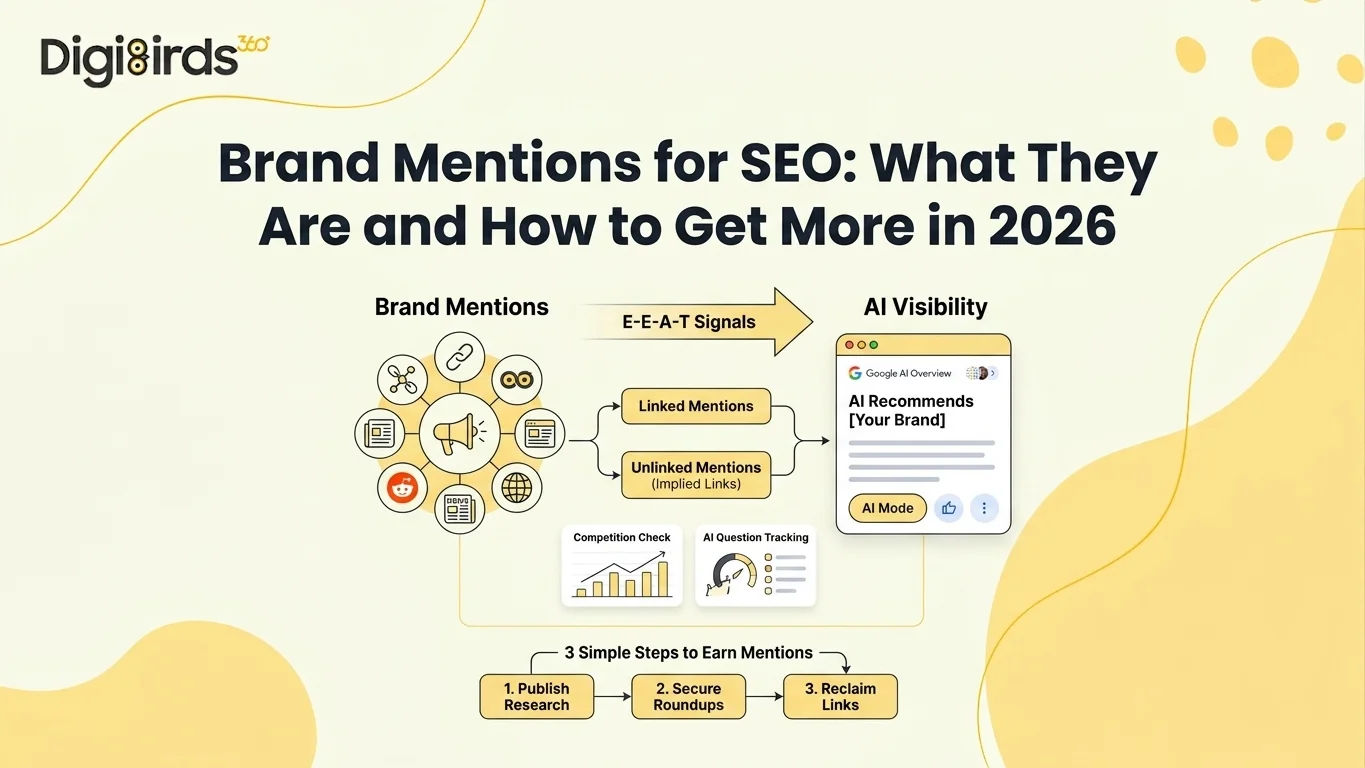
Traditional rank tracking no longer shows your full visibility because both features can cite you without a ranked link. So it helps to monitor how often your brand actually gets mentioned or cited inside AI answers, alongside your usual rankings.
A Few Quick Tips Before You Go
Focus on becoming a genuinely useful, trustworthy source-clear answers, real expertise, and clean technical signals like schema markup go a long way with both features. Write content that directly answers the kinds of questions people ask, since that's exactly what gets pulled into summaries and conversational answers. And keep an eye on both experiences separately, because showing up in one doesn't mean you'll show up in the other.
Final Thoughts
AI Overviews and AI Mode are two sides of Google's new AI-driven search. Overviews give quick answers right on the results page, while AI Mode opens up a deeper, conversational way to search. They're slowly merging, but for now, understanding how each one works helps you stay visible as search keeps changing.
If keeping up with all these AI search shifts feels overwhelming, that's completely fair-it's moving fast. Our team at DigiBirds360 helps businesses stay visible across Google's AI search features, so if you'd like a hand sorting out your strategy, feel free to reach out.