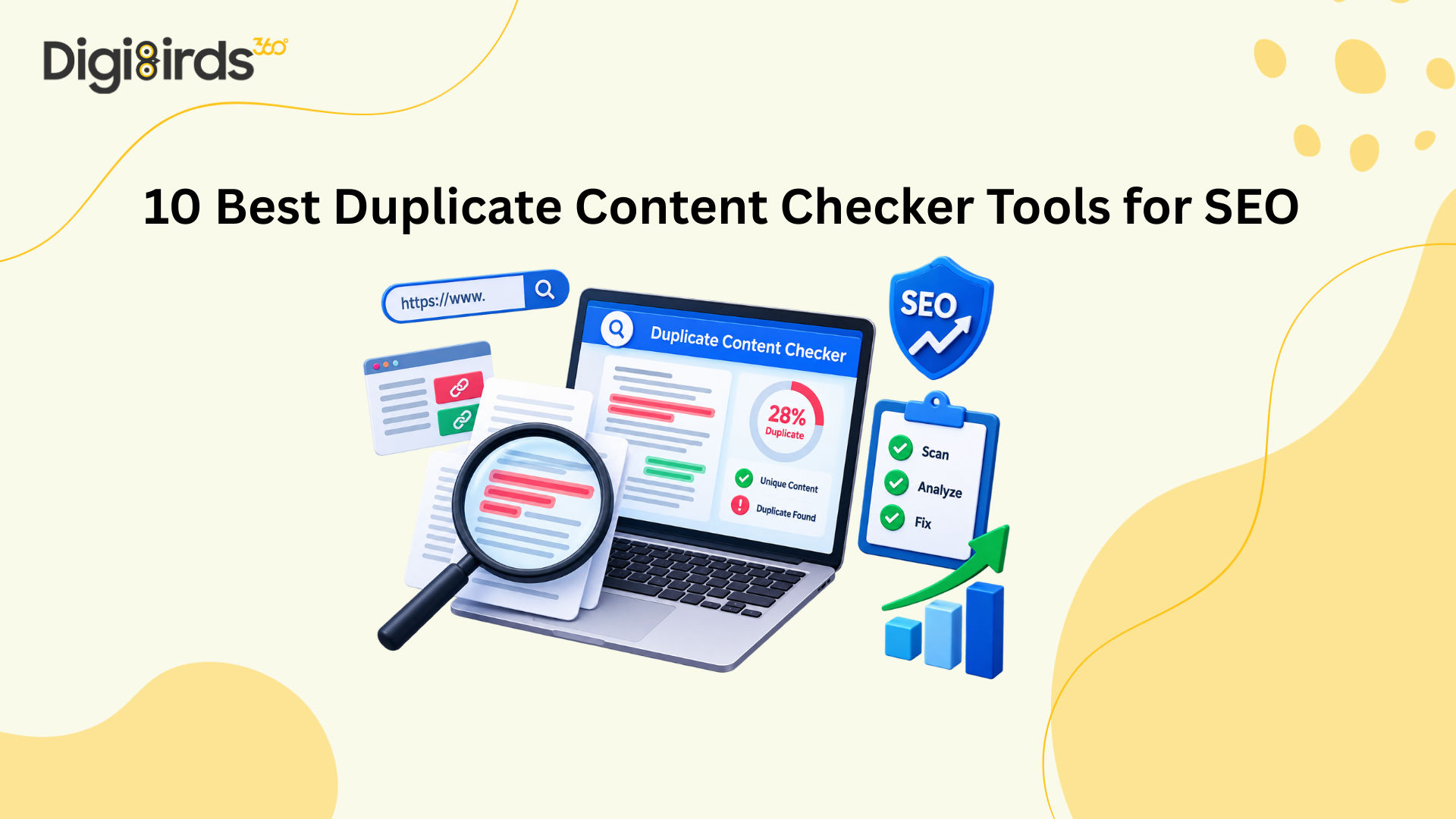
If you've ever published a blog post and then discovered months later that half of it was floating around on someone else's site too, you already know why a solid duplicate content checker belongs in every content team's toolkit. Duplicate content doesn't just look bad; it actively confuses search engines about which version of a page deserves to rank, and that confusion usually costs you traffic.
Whether you're a blogger protecting original work, an agency managing dozens of client sites, or an SEO team auditing a large domain, here are ten tools worth knowing in 2026, along with what actually matters when picking one.
Why Duplicate Content Hurts Your Rankings
Search engines don't penalise duplicate content the way many people assume, but they do struggle to decide which version to show in results. That means your pages can end up competing against each other, splitting authority and diluting your rankings instead of building them.
A good website duplicate content checker helps you catch this early, whether it's internal duplication (two product pages with near-identical descriptions) or external scraping (someone lifting your content wholesale).
1. Copyscape
One of the longest-standing names in this space. Copyscape is built specifically for publishers who want to check whether their content has been copied elsewhere on the web. It's simple, fast and reliable for spot-checking individual pages.
2. Siteliner
Siteliner scans your entire website and flags internal duplication pages, paragraphs or blocks of text repeated across your own domain. It's particularly useful for large e-commerce sites where boilerplate descriptions tend to creep in everywhere.
3. Copyleaks
Copyleaks pairs traditional plagiarism detection with AI-content scanning, making it a strong pick if you're worried about both scraped content and over-reliance on generative tools within your writing team.
4. Originality.AI
Originally built for AI-content detection, Originality.AI has expanded into a genuinely capable website content checker for both plagiarism and machine-generated text, which makes it popular with content agencies managing multiple freelance writers.
5. Grammarly's Plagiarism Checker
Bundled into Grammarly's premium plan, this is a convenient option if you already use the tool for grammar and style. It's not as deep as dedicated plagiarism software, but it's a reasonable first line of defence.
6. Quetext
Quetext offers a clean interface and a "DeepSearch" algorithm that goes beyond exact-match checking to catch paraphrased duplication, useful when someone has reworded your content rather than copying it outright.
7. Duplichecker
A free, no-frills option that's popular with students and bloggers who need a quick check before hitting publish. It won't replace a premium tool for serious SEO auditing, but it's handy for fast, casual scans.
8. SmallSEOTools Plagiarism Checker
Bundled alongside a wider suite of free SEO utilities, this tool is a solid entry point for beginners who want plagiarism checking without committing to a paid subscription straight away.
9. Surfer SEO's Content Audit
Surfer SEO approaches duplication from a content-optimisation angle rather than a pure plagiarism-detection one, helping you spot cannibalisation between your own pages while also scoring content quality against top-ranking competitors.
10. Screaming Frog (for Technical Duplication)
Not a plagiarism tool in the traditional sense, but essential for technical SEO audits. Screaming Frog crawls your site and flags duplicate title tags, meta descriptions and near-identical page content the kind of internal duplication that quietly erodes rankings.
How to Pick the Right One
Not every tool suits every use case. A few questions worth asking before you commit:
- Do you need to check external plagiarism, internal duplication, or both?
- Is AI content detection a priority, or purely traditional copy-paste checking?
- Are you scanning single articles or crawling an entire domain?
- Does your budget allow for a premium subscription, or do you need a free option to start?
Studies suggest a meaningful share of web content carries some form of duplication, often without the site owner even realising it, which is exactly why regular checks, not one-off scans, tend to produce the best long-term results.
Fixing Duplicate Content Once You Find It
Finding duplication is only half the job. Once flagged, the usual fixes include rewriting overlapping sections, adding canonical tags to tell search engines which version is the "main" one, using 301 redirects to consolidate near-identical pages, or reaching out to sites that have scraped your content without permission.
In Conclusion,
Keeping your content genuinely original isn't just about avoiding plagiarism accusations; it's a core part of protecting the SEO value you've already built. At digibirds360, content audits like this are a standard part of how we help clients clean up their sites, resolve cannibalization issues, and make sure every page earns the ranking it deserves rather than competing against its own duplicates.
Run a scan today, even if you're confident your content is clean. More often than not, you'll find at least one surprise worth fixing.