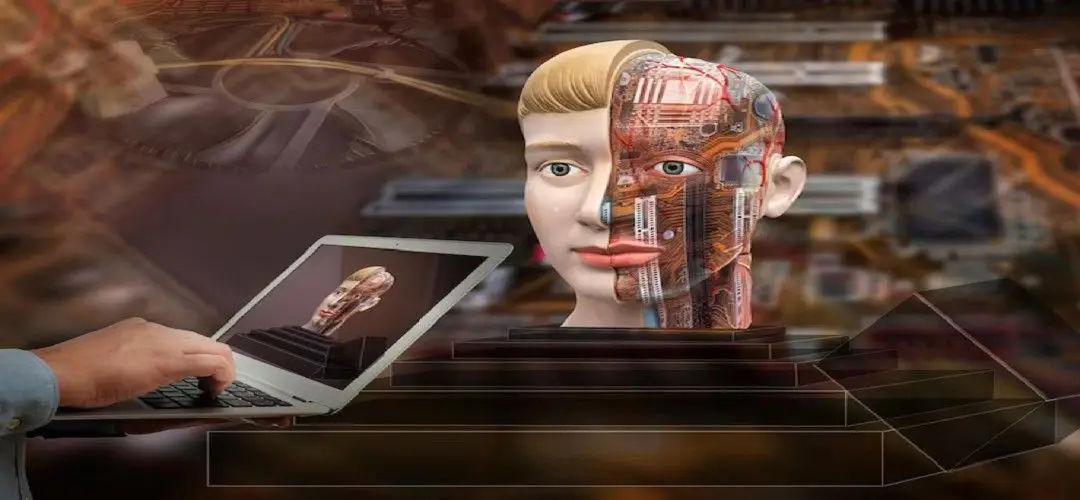
Artificial intelligence is transforming the way people create and interact with digital visuals. AI image generation tools now allow users to create high-quality artwork, illustrations, marketing creatives, and realistic images simply by using text prompts. From designers and marketers to business owners and content creators, AI-powered image tools are opening new possibilities for creativity and efficiency.
The Rise of AI Image Generators
AI image generators use advanced machine learning algorithms to create visuals from text descriptions. These systems are trained on massive datasets of images and text, enabling them to understand styles, objects, lighting, composition, and artistic concepts.
Modern AI image generation platforms can produce:
- Realistic portraits
- Digital artwork
- Product mockups
- Marketing creatives
- Fantasy and surreal visuals
- Social media graphics
- Concept art and illustrations
How AI Image Generators Work
1. Text Prompt Input
Users provide a written description of the image they want to generate. Detailed prompts usually produce more accurate and creative results.
2. Natural Language Processing
The AI analyzes the text prompt using natural language processing (NLP) to understand subjects, styles, colors, lighting, and context.
3. Image Generation Model
The system uses technologies such as diffusion models or generative adversarial networks (GANs) to create visuals pixel by pixel.
4. Refinement Process
The AI refines the image through multiple iterations to improve image quality, composition, and detail.
Popular AI Image Generation Tools
DALL-E
DALL-E is known for generating highly realistic and creative visuals from detailed prompts. It is widely used for commercial design and digital content creation.
Midjourney
Midjourney is popular among artists and designers for creating artistic, cinematic, and fantasy-style visuals.
Stable Diffusion
Stable Diffusion is an open-source AI image model that allows advanced customization and experimentation.
Craiyon
Craiyon is a beginner-friendly AI image generator suitable for quick experiments and creative ideas.
Steps to Create Stunning AI Images
Choose the Right AI Tool
Select an AI image generator based on your goals, budget, and preferred image style.
Write Effective Prompts
Clear and detailed prompts improve output quality. Include information about:
- Subject
- Art style
- Lighting
- Color palette
- Camera angle
- Background details
- Mood and atmosphere
Generate Multiple Variations
Most platforms allow users to generate several image versions from one prompt. Reviewing variations helps identify the best output.
Refine and Edit
After generating an image, editing tools like Photoshop or Canva can further enhance colors, sharpness, and details.
Tips for Better AI Image Creation
- Use descriptive prompts with specific details
- Experiment with different artistic styles
- Try different lighting and camera perspectives
- Use high-resolution settings whenever possible
- Combine AI-generated visuals with manual editing
- Analyze successful prompts to improve future results
Applications of AI Image Generation
Digital Marketing
Businesses use AI-generated visuals for advertisements, banners, social media posts, and promotional campaigns.
Graphic Design
Designers use AI tools to create concept art, illustrations, logos, and branding materials quickly.
Content Creation
Bloggers, YouTubers, and influencers create custom thumbnails, cover images, and creative graphics using AI.
Product Visualization
E-commerce businesses use AI visuals for product mockups and creative product photography.
Benefits of AI Image Generation
- Faster creative workflow
- Cost-effective design solutions
- Unlimited creative possibilities
- Accessible to non-designers
- Quick idea visualization
- Improved marketing content production
Challenges and Ethical Considerations
Although AI image generation offers many advantages, there are concerns regarding copyright, originality, misinformation, and ethical use of AI-generated content. Businesses and creators should use AI responsibly and maintain transparency when required.
The Future of AI Image Creation
AI image generation technology continues to evolve rapidly. Future developments may include:
- More realistic image generation
- Real-time AI design assistance
- Better customization controls
- Improved video and animation generation
- Integration with virtual reality and augmented reality
Conclusion
AI image generation is revolutionizing digital creativity by enabling anyone to create visually impressive content with minimal technical skills. Whether for marketing, branding, content creation, or artistic exploration, AI-powered tools provide endless creative opportunities. As the technology advances, AI image generation will continue to reshape the future of visual storytelling and digital design.